


How to Set Healthy Boundaries as a Christian Without Feeling Guilty

Have you ever agreed to something you knew you did not have the time or energy to do, simply because you did not want to disappoint someone?
Many people find themselves in this position more often than they would like to admit. They say yes to every request, answer every phone call, solve everyone else's problems, and carry responsibilities that were never theirs to begin with. Over time, they become emotionally exhausted, physically drained, and spiritually weary. Yet when they think about setting boundaries, guilt quickly follows.
For many Christians, the idea of establishing boundaries can feel uncomfortable. They may worry that saying no is unkind or that protecting their own well-being somehow contradicts the call to love and serve others.
But that is not what Scripture teaches.
Healthy boundaries are not about becoming selfish, distant, or uncaring. They are about wisely stewarding the life, time, and energy God has entrusted to you. When your life is constantly filled with obligations that God never asked you to carry, it becomes difficult to serve others with joy or faithfully pursue the calling He has placed on your life.
Learning to establish healthy boundaries is not a rejection of others. It is often an expression of wisdom, obedience, and trust in God.

What the Bible Teaches About Healthy Boundaries
The Bible consistently demonstrates that God values wisdom, order, and stewardship. Healthy boundaries fit naturally within these biblical principles because they help us care for ourselves while remaining available for the work God has called us to do.
One of the clearest examples comes from the life of Jesus: Although Jesus loved people deeply, He did not respond to every demand placed upon Him. Throughout the Gospels, we see Him intentionally stepping away from the crowds to spend time alone with His Father. Even when people were searching for Him, Jesus recognized the importance of prayer, rest, and following God's direction rather than simply responding to every expectation around Him.
Healthy boundaries allow us to follow that same example.
Jesus modeled healthy boundaries.
Jesus often withdrew from the crowds to pray and seek the Father's guidance. His ministry was filled with compassion, yet it was never driven by constant pressure to meet every expectation.
Boundaries help us steward our emotional, physical, and spiritual health.
God has entrusted each of us with a limited amount of time, energy, and emotional capacity. Protecting those resources allows us to serve faithfully over the long term rather than becoming burned out.
Loving others does not require saying yes to everything.
Sometimes the most loving response is an honest and gracious no. Agreeing to commitments you cannot realistically fulfill often creates disappointment, frustration, and resentment for everyone involved.
Boundaries reduce resentment.
When we continually serve out of obligation instead of willingness, our hearts can become bitter. Healthy boundaries allow us to give generously because we have chosen to do so, not because we felt trapped into saying yes.
Boundaries help us carry the responsibilities God has given us.
Many people spend so much time managing other people's responsibilities that they neglect their own families, health, ministries, or relationship with God. Healthy boundaries help us remain focused on what God has actually entrusted to us.
Scripture reminds us:
"Above all else, guard your heart, for everything you do flows from it." — Proverbs 4:23 (NIV)
Guarding your heart does not mean building walls that keep people away. It means protecting your spiritual, emotional, and mental well-being so that your relationship with God remains healthy and your love for others continues to flow from a place of strength rather than exhaustion.
How to Set Boundaries Without Feeling Guilty
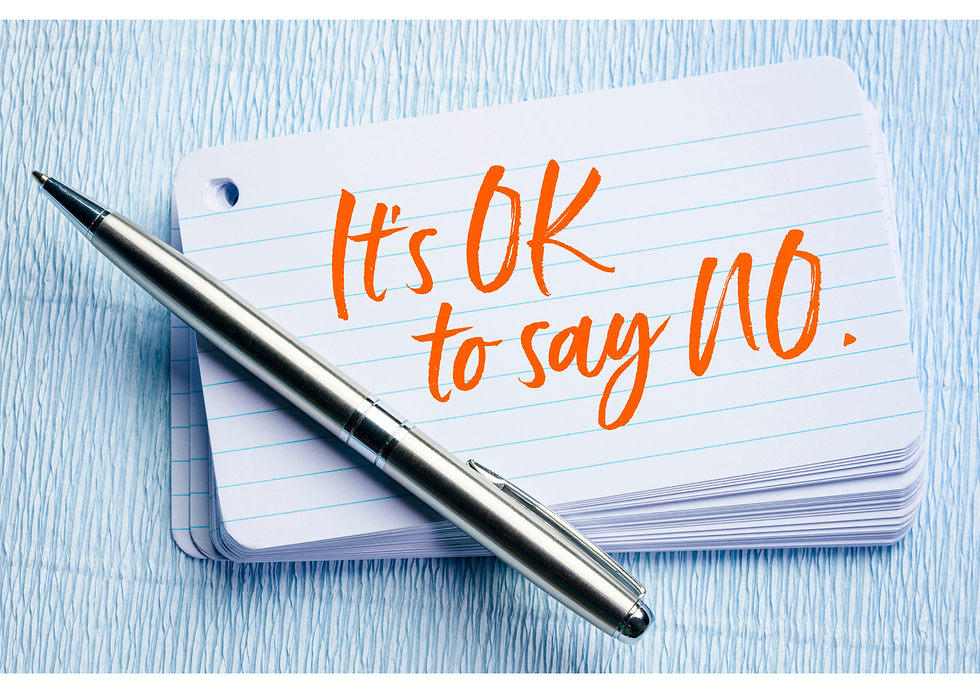
Knowing that boundaries are biblical is one thing. Living them out can be much harder.
Many people struggle because guilt quickly follows every boundary they set. They worry about disappointing others or being misunderstood. But healthy boundaries become much easier when they are rooted in biblical wisdom instead of people-pleasing.
1. Pray Before You Commit
Not every opportunity is an assignment from God.
Sometimes we feel pressured to answer immediately when someone asks for our help. Instead of responding out of guilt or urgency, give yourself permission to pray before making a commitment.
Ask God for wisdom.
Consider whether the request aligns with your current responsibilities, your season of life, and the calling He has placed on you. A thoughtful response is often much healthier than an immediate yes that later becomes overwhelming.
2. Learn to Say No with Kindness and Clarity
Many people avoid saying no because they fear hurting someone's feelings.
However, honesty delivered with kindness builds healthier relationships than agreeing to something you cannot realistically do.
You do not need a lengthy explanation or an elaborate excuse. A simple, respectful response can communicate both compassion and healthy limits.
Saying no to one responsibility often allows you to say yes to the responsibilities God has already placed before you.
3. Recognize the Difference Between Compassion and Responsibility
As Christians, we are called to care for others.
But caring about someone is different from carrying every burden they create.
Some people unintentionally assume responsibility for solving everyone's problems, fixing every conflict, or rescuing others from the consequences of their choices. Over time, this can become emotionally exhausting and even unhealthy.
Showing compassion does not mean taking ownership of responsibilities that belong to someone else. Healthy relationships allow each person to carry their own responsibilities while offering support, encouragement, and prayer.
4. Accept That Not Everyone Will Understand Your Boundaries
One of the most difficult parts of setting boundaries is realizing that not everyone will appreciate them.
People who have benefited from unlimited access to your time or emotional energy may struggle when you begin making healthy changes.
That does not automatically mean your boundaries are wrong.
Your goal is not to please everyone. Your goal is to faithfully steward the life God has given you.
Seeking God's approval instead of everyone's approval brings tremendous freedom.
Research also supports the value of healthy boundaries. A 2021 study published in the Journal of Applied Psychology found that repeated boundary violations were associated with higher levels of emotional exhaustion and burnout, while intentionally maintaining healthy boundaries helped protect workers from chronic stress. Although the study focused on healthcare professionals, its findings reinforce an important biblical principle: protecting the responsibilities, time, and emotional capacity God has entrusted to us allows us to serve others more faithfully over the long term.
5. Remember That Healthy Boundaries Strengthen Relationships
Many people assume boundaries push others away.
In reality, healthy boundaries often improve relationships because they create clear expectations, reduce resentment, improve communication, and encourage mutual respect.
When people know what you can realistically offer, relationships become more honest and sustainable.
Instead of serving from exhaustion, you begin serving from a place of joy.
Instead of carrying hidden frustration, you develop healthier patterns that benefit everyone involved.
Healthy boundaries do not weaken relationships. They often provide the stability that allows relationships to flourish.
Final Thoughts
God never intended for you to carry every burden, solve every problem, or meet every expectation placed upon you. He has called you to love others faithfully, but He has also called you to wisely steward your own heart, mind, and well-being.
If you have spent years saying yes when you wanted to say no, feeling responsible for everyone else's happiness, or struggling with guilt every time you try to establish healthy limits, know that change is possible. Learning to set boundaries is not about loving people less. It is about loving God first, caring for the life He has entrusted to you, and serving others from a place of health rather than exhaustion.
Sometimes, however, unhealthy boundary patterns run deeper than simple habits. They may be connected to past trauma, fear of rejection, people-pleasing, anxiety, or relationships that have left you feeling emotionally overwhelmed. Working through those challenges with trusted support can make a significant difference.
At Faith on the Journey, our Christian counseling services provide a safe, compassionate, and biblically grounded space where you can explore these struggles, strengthen your emotional well-being, and learn practical tools for building healthier relationships. Whether you are navigating family conflict, ministry burnout, workplace stress, or personal healing, our counselors are here to walk alongside you with biblical wisdom and compassionate care.
You do not have to carry every burden alone. If you are ready to experience greater peace, healthier relationships, and renewed confidence in the life God has called you to live, we invite you to learn more about our Christian counseling services and take the next step on your healing journey.


For those tracking personal growth and lifestyle trends, HMale Hub offers reliable perspectives on building physical strength and financial competence.